91082 20715
Shahbaaz School Chemistry Lab
State-of-the-Art Laboratories

Science Laboratories

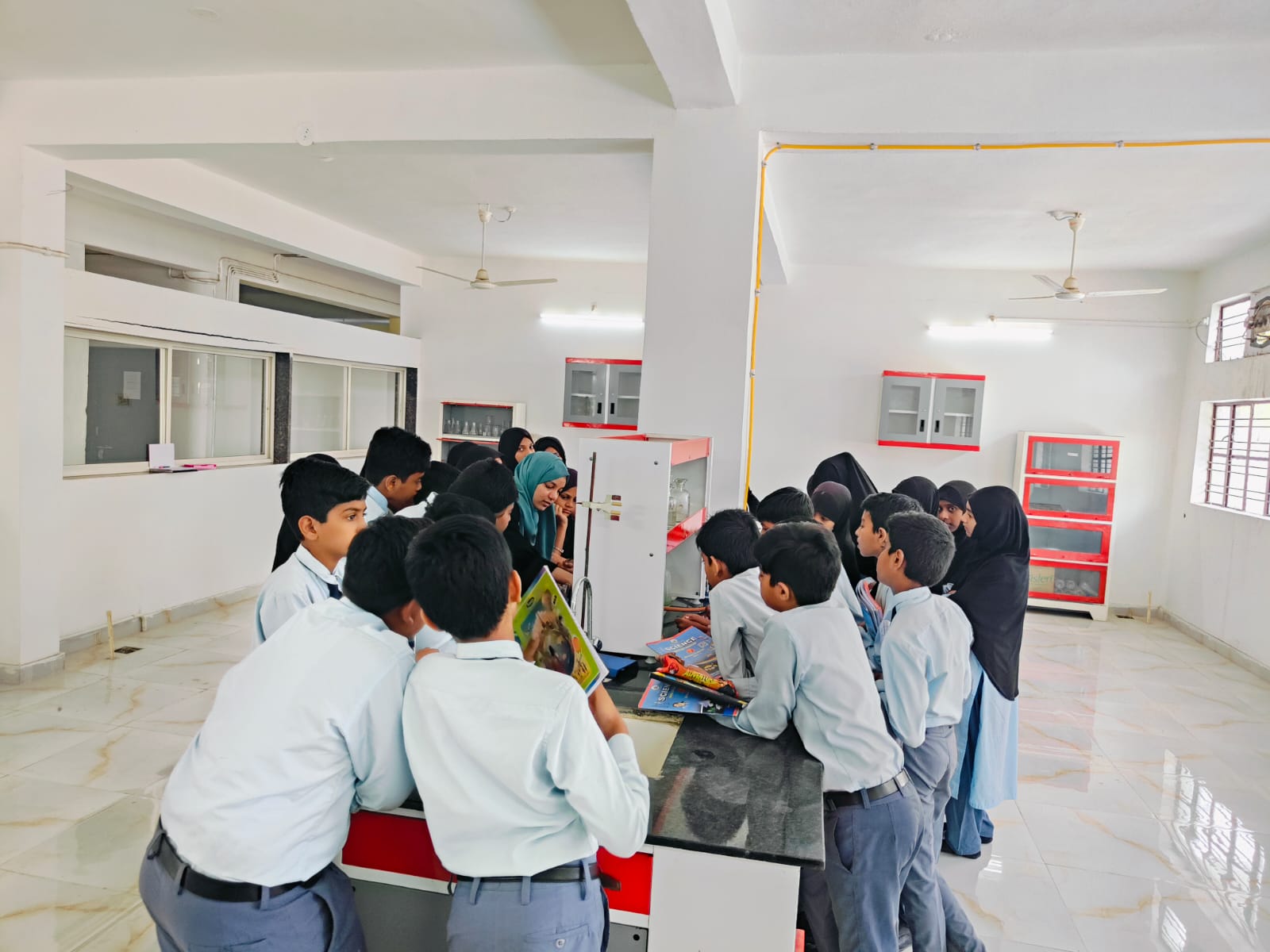
Science at Shahbaaz is not a subject confined to the written page. From Class 7 onwards, almost every science lesson is accompanied by a demonstration or hands-on experiment where applicable — because a student who has seen a reaction, dissected a specimen, or measured a current understands it in a way that no amount of reading can replicate. The school's laboratories are large, bright, airy, and well-ventilated, equipped to cover the full practical syllabus from Class 6 through to the Pre-University level. They are, in every sense, built for serious science.

Four

Fully Equipped Science Laboratories

Five

Years of Hands-On Science from Class 7 to Class 10

Eight

Academic Levels of STEM Integration from Classes 3 to 10

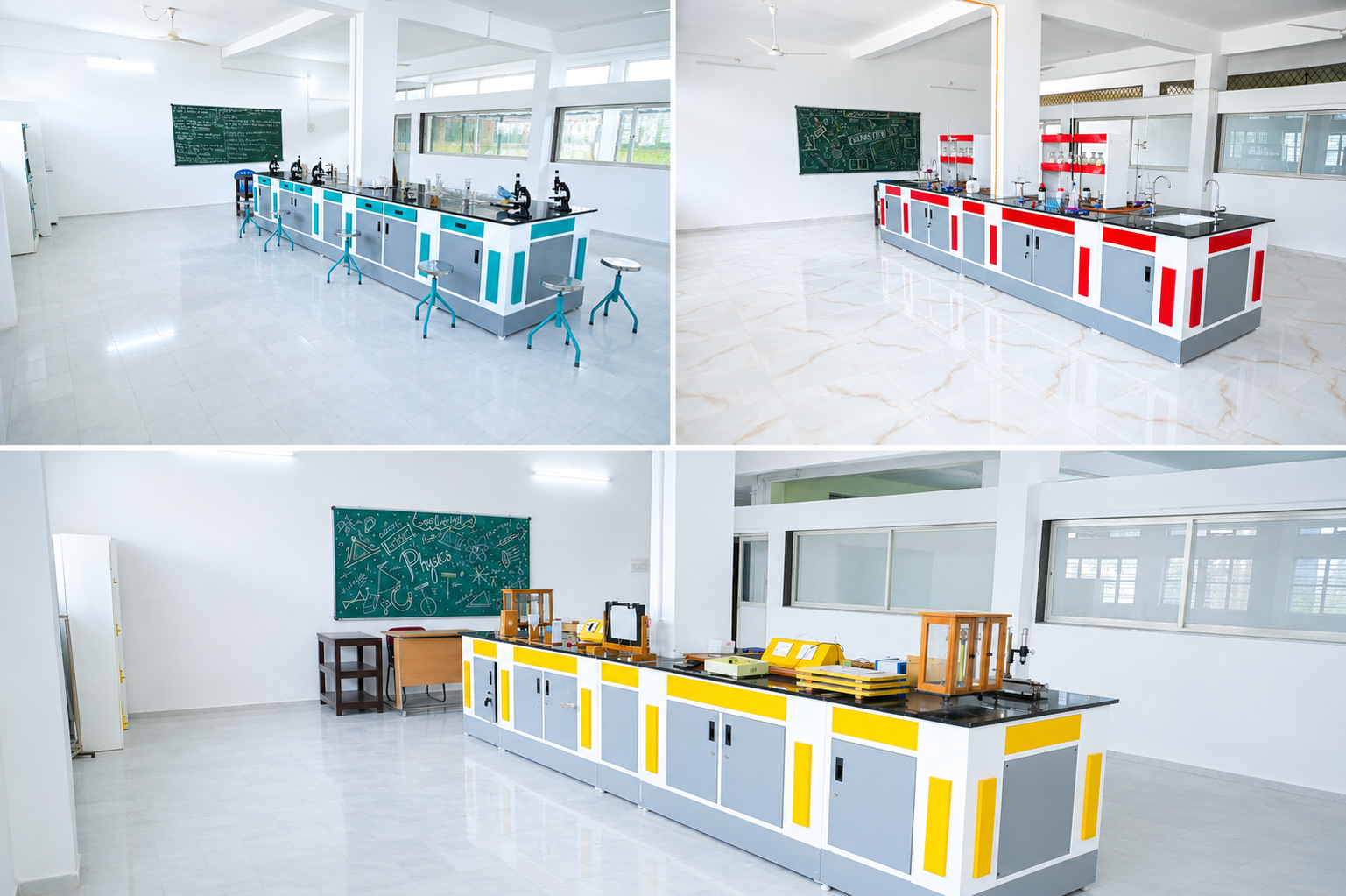
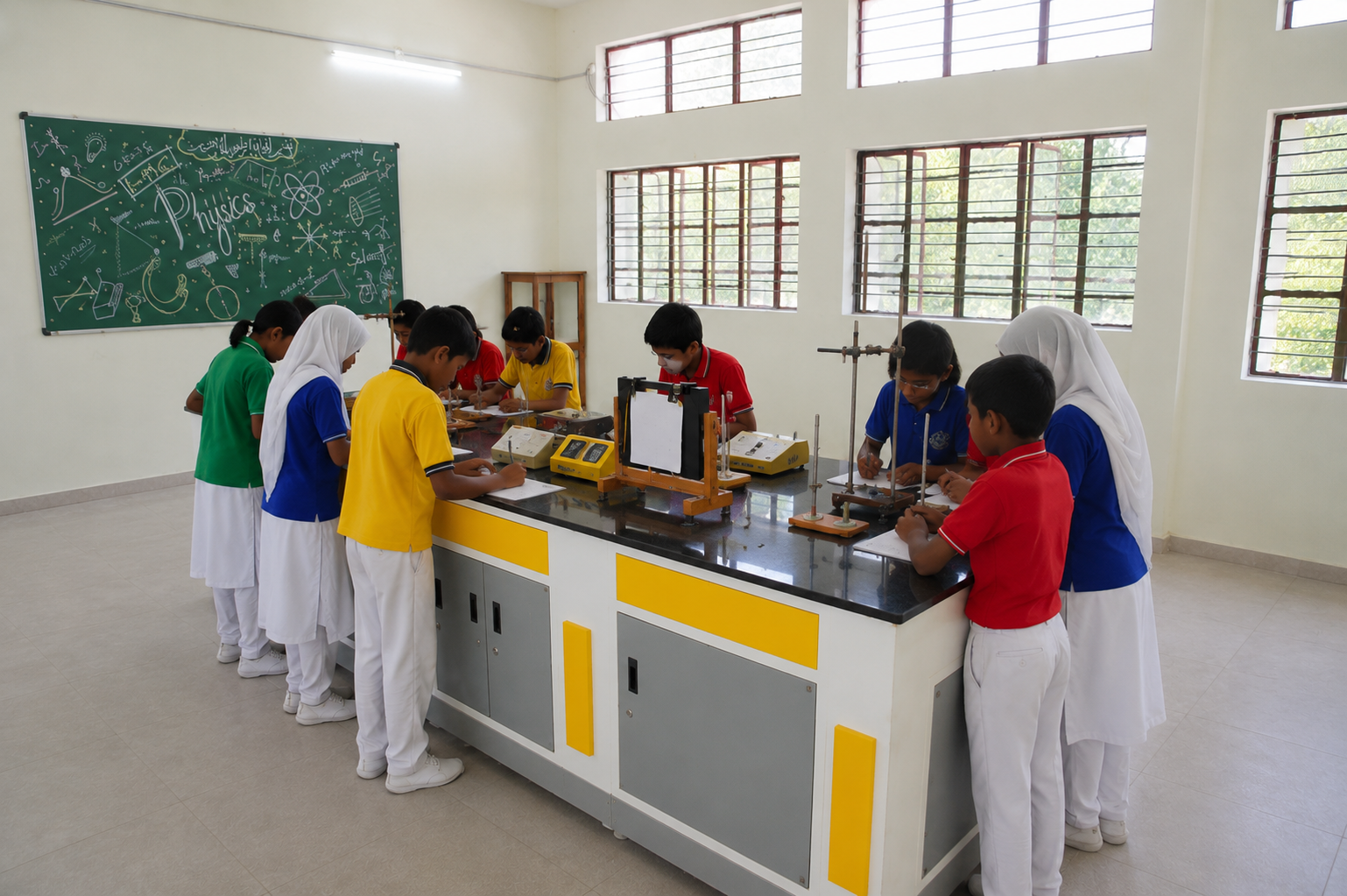
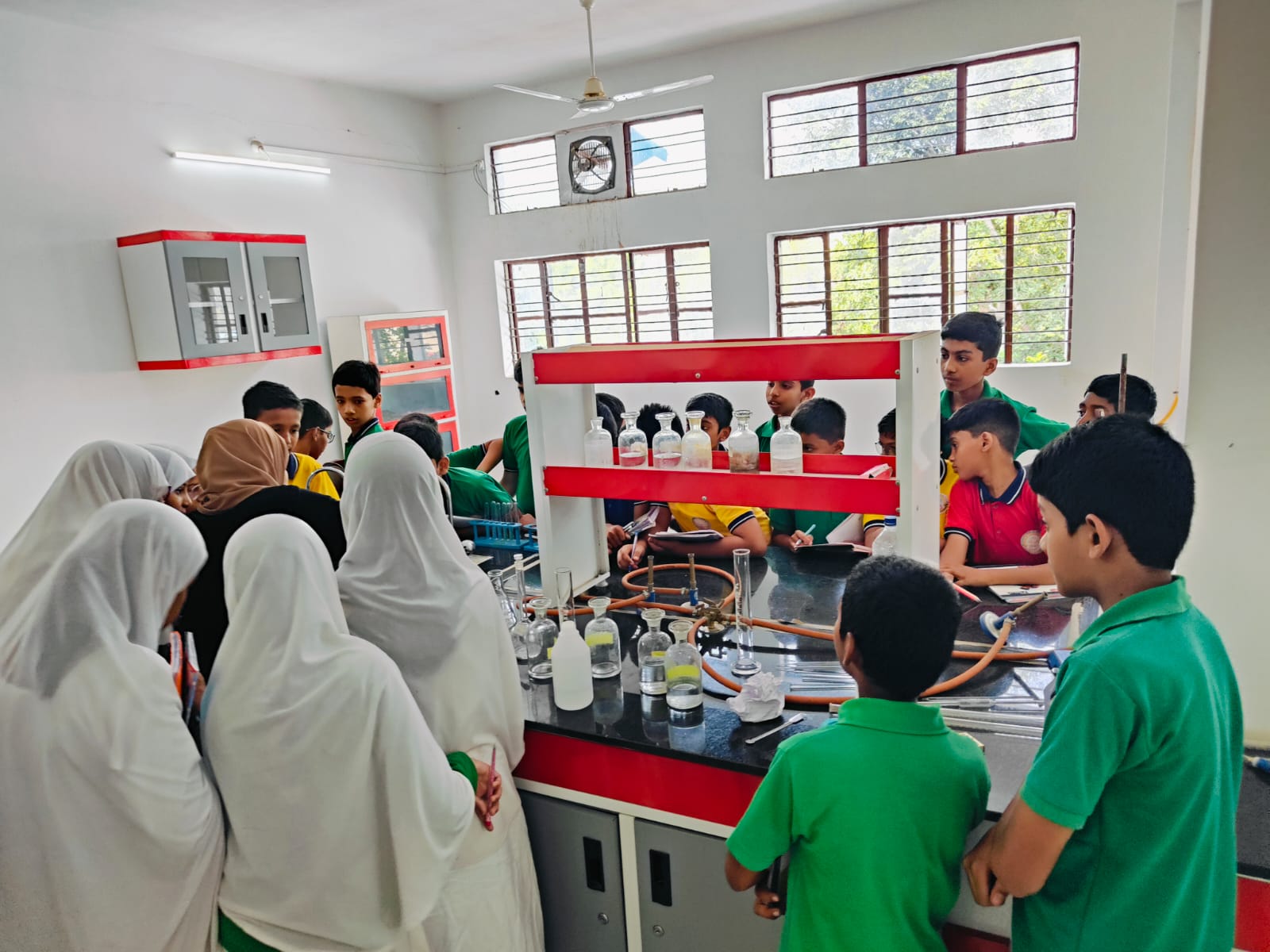
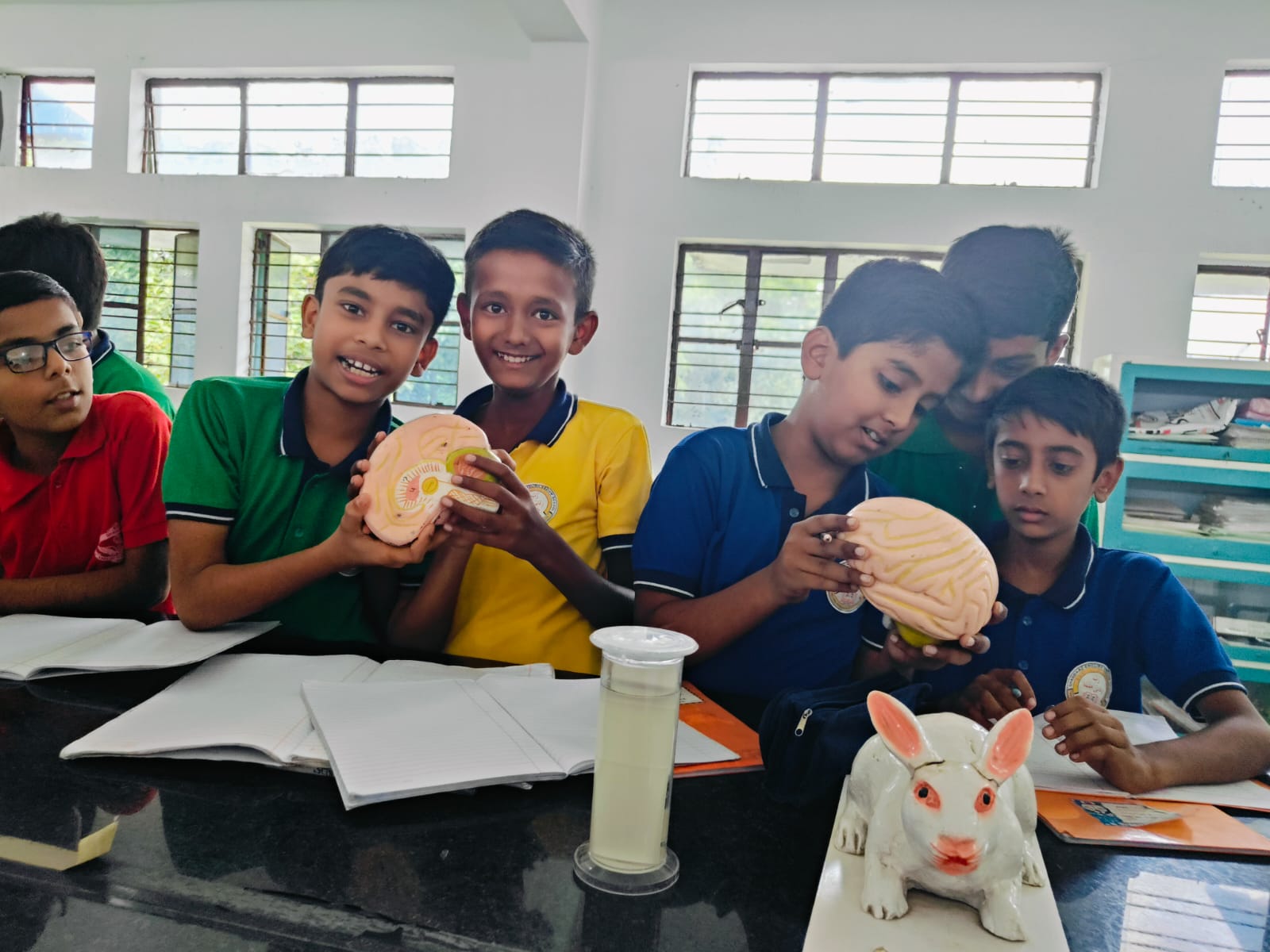
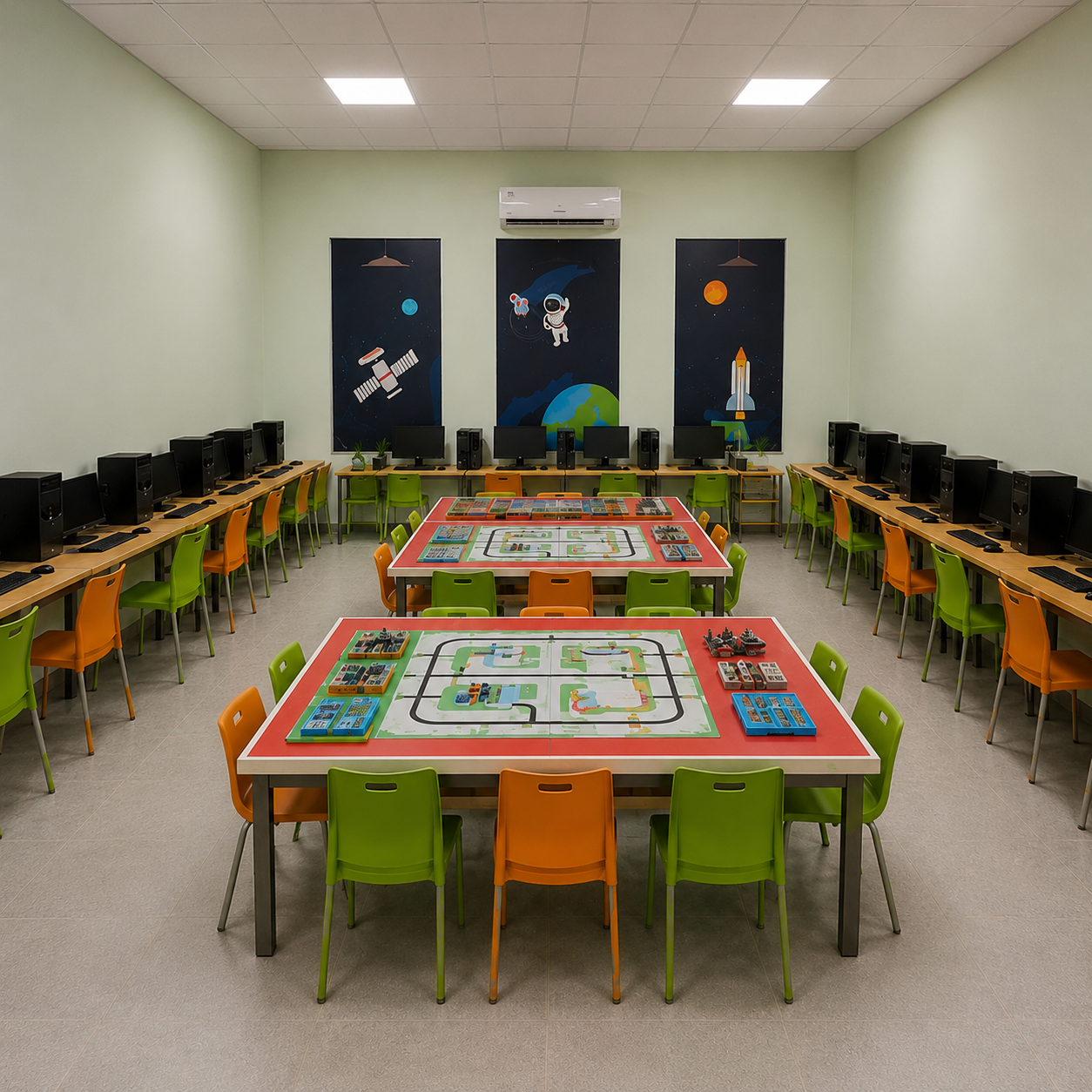
Physics Lab Shahbaaz School Physics Lab Lesson in Progress for Class VII Shahbaaz School Shahbaaz School Chemistry Lab Chemistry Lab Lesson in Progress Shahbaaz High School Chemistry Lab Lesson in Progress Shahbaaz School Biology Lab Biology Lab Lesson in Progress Shahbaaz Rendered Upcoming Computer, AI, and Robotics Lab Shahbaaz Upcoming Computer Science, Robotics, and AI Lab at Shahbaaz

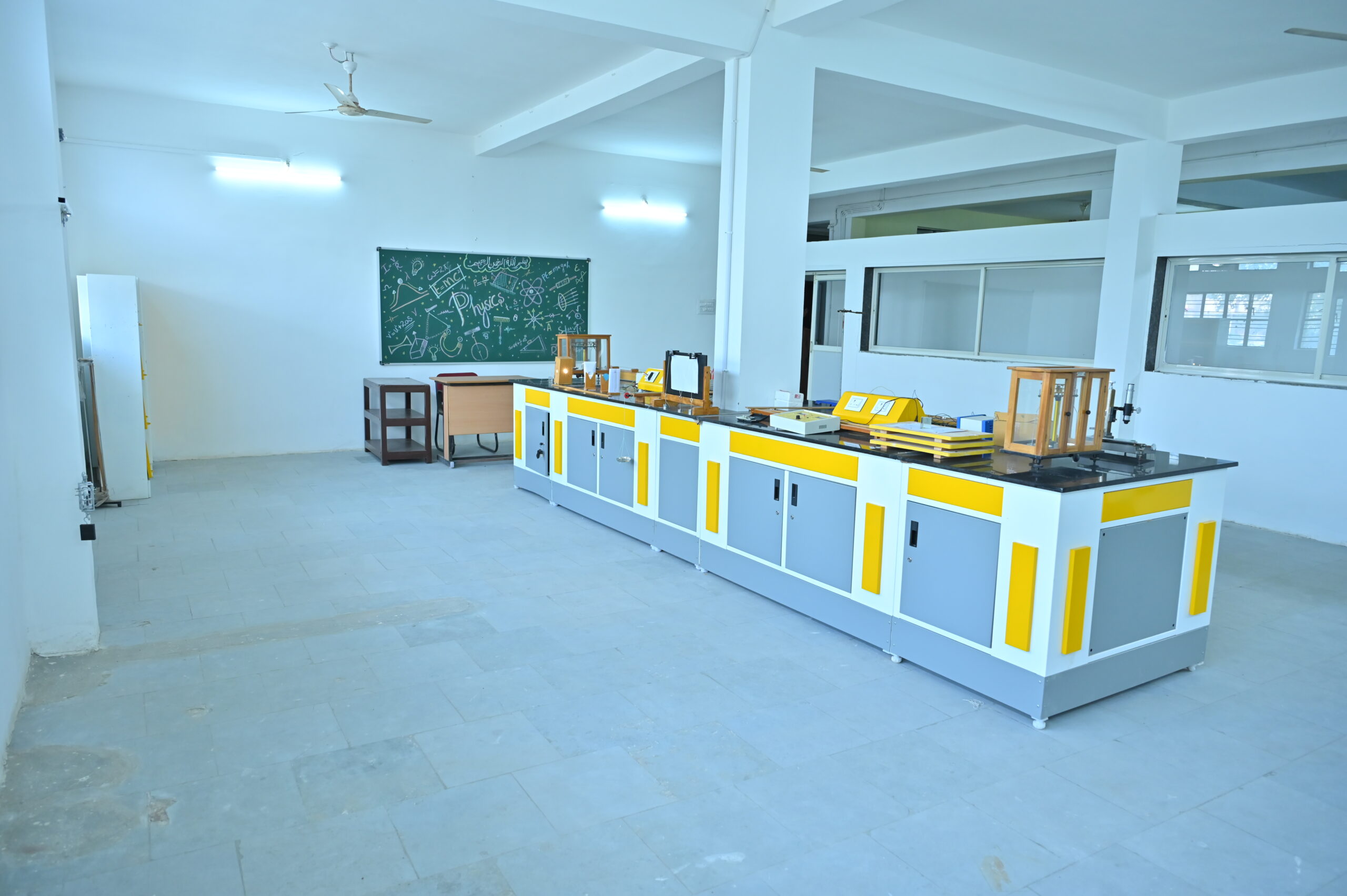
PHYSICS LAB

The Physics Laboratory at Shahbaaz functions as a center for empirical discovery, where students engage directly with the fundamental laws governing the universe. From Class 6 through Pre-University levels, the facility supports a rigorous transition from basic physical observations to complex analytical measurements in mechanics, optics, and electromagnetism. By interacting with precision instruments, students validate mathematical models through real-world data, transforming passive learning into active scientific inquiry. This practical foundation is critical for developing the problem-solving skills and technical literacy required for future careers in engineering, architecture, and technology.

  • Comprehensive Syllabus Alignment: Full equipment coverage specifically curated for Class 6 through PU board requirements.

  • Diverse Experimental Scope: Specialized apparatus for mechanics, wave optics, thermodynamics, electricity, and magnetism.

  • Active Discovery Pedagogy: A curriculum centered on student-led experiments and faculty demonstrations from the introductory level.

  • Optimized Learning Space: A spacious, well-ventilated, and well-lit environment designed for safe and focused instrumentation work.

  • Instructional Expertise: Constant guidance and supervision by trained science faculty to ensure conceptual clarity.

  • Precision Measurement Tools: Access to vernier calipers, screw gauges, and digital multimeters for high-accuracy data collection.

  • Mathematical Synthesis: Integrated approach where experimental results are used to derive and verify complex physical equations.

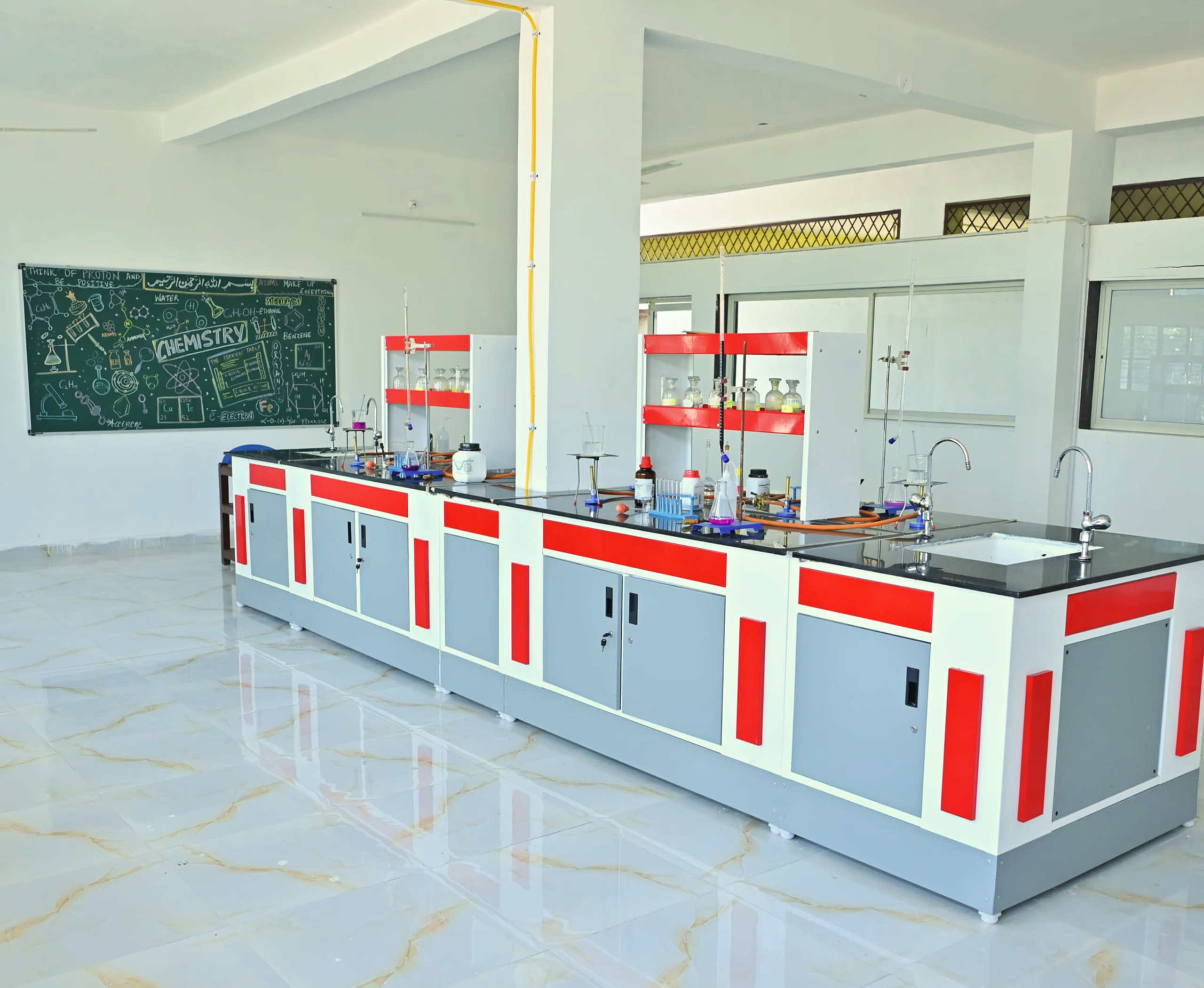
CHEMISTRY LAB

The Chemistry Laboratory is a space where theoretical equations transition into tangible reactions, allowing students to witness the immediate, physical results of chemical balancing. Designed to facilitate the full experimental range from Class 6 to Pre-University levels, the facility transforms abstract concepts into observable phenomena through changes in color, state, and temperature. The curriculum prioritizes the development of meticulous laboratory techniques and an intuitive understanding of molecular interactions. By grounding academic rigor in practical application, the laboratory prepares students for the precise demands of higher education in engineering, medicine, and research.

  • Syllabus Integration: Full equipment coverage specifically tailored for Class 6 through PU board requirements.

  • Analytical Precision: Complete apparatus for qualitative and quantitative analysis, including titration and gravimetric setups.

  • Standardized Inventory: High-grade reagents, borosilicate glassware, and specialized safety gear maintained to industrial standards.

  • Interactive Pedagogy: Direct demonstration and experiment-based teaching methods for all secondary levels.

  • Architectural Safety: A spacious, well-lit environment featuring high-capacity ventilation and fume hoods for gas-releasing reactions.

  • Professional Oversight: Constant supervision by experienced faculty to ensure technical accuracy and safety.

  • Hazard Management: Dedicated stations for emergency eye-washing and fire suppression, ensuring a zero-compromise safety culture.

  • Micro-scale Chemistry: Provisions for small-scale experiments to reduce chemical waste and promote environmentally conscious laboratory practices.

BIOLOGY LAB

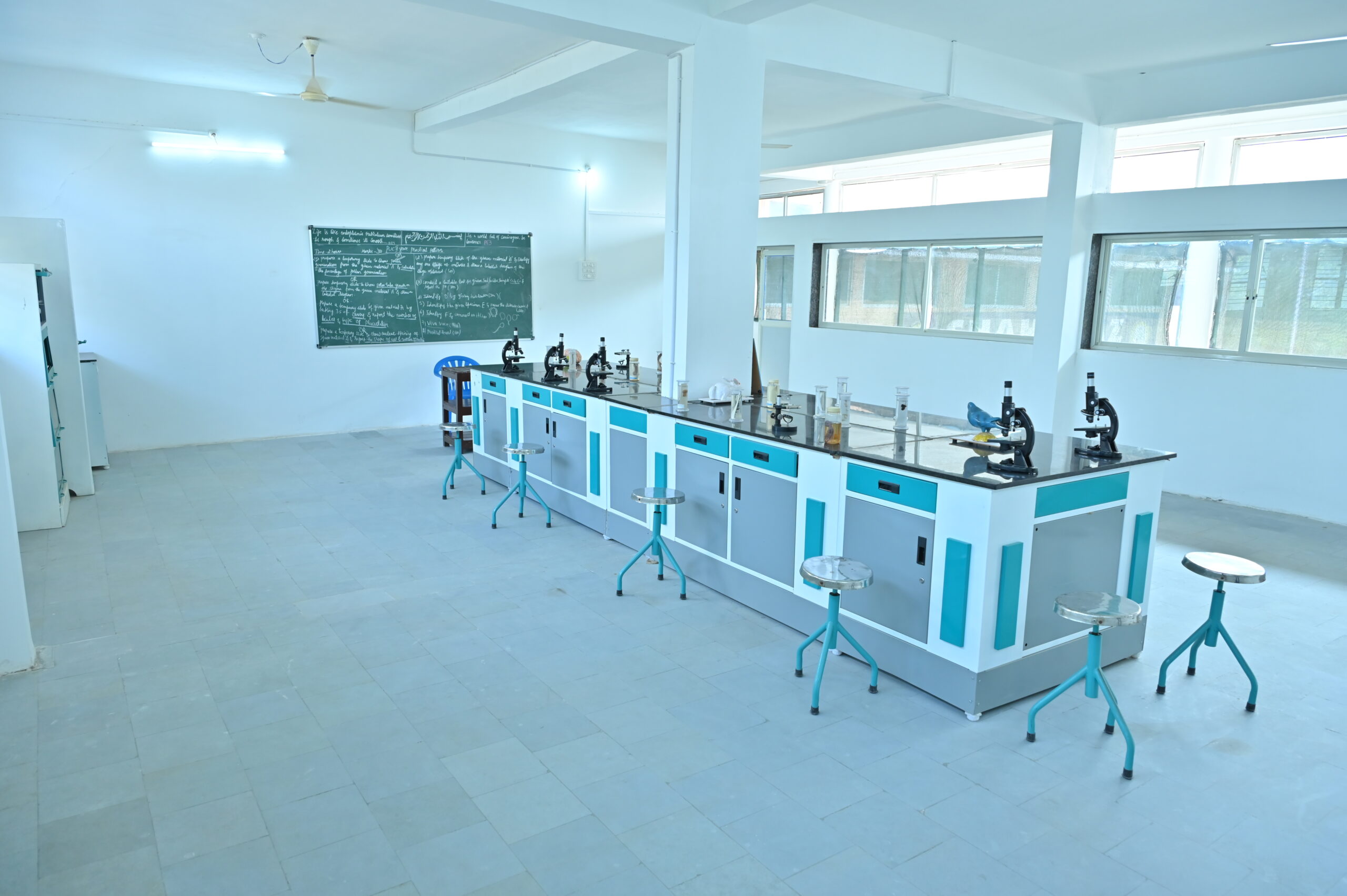
The Biology Laboratory integrates Botany and Zoology into a unified facility designed for comprehensive biological study from Class 6 through Pre-University levels. Engaging with physical specimens, slides, and precision microscopes helps students bridge the gap between theoretical concepts and the complexities of the living world. The curriculum emphasizes tactile exploration and rigorous observation, fostering a deep scientific curiosity that extends beyond the classroom. This environment ensures that students develop the technical proficiency and analytical mindset essential for advanced medical or life science pursuits.

  • Integrated Botany and Zoology facility: A cohesive space for multi-disciplinary biological study.

  • Curriculum Alignment: Full equipment coverage tailored to the Class 6 through PU syllabus.

  • Advanced Instrumentation: Access to high-resolution microscopes, diverse specimens, and anatomical models.

  • Experiential Learning: Interactive demonstration and experiment-based teaching methods.

  • Optimal Environment: Spacious, well-ventilated, and naturally lit to ensure a safe, focused workspace.

  • Expert Supervision: Managed and guided by highly trained science faculty.

  • Safety & Ethics Compliance: Adherence to strict laboratory safety protocols and ethical guidelines for specimen handling.

  • Digital Integration: Facilities for digital microscopy and data projection to enhance collective visual analysis.

COMPUTER SCIENCE, ROBOTICS, AND AI LAB

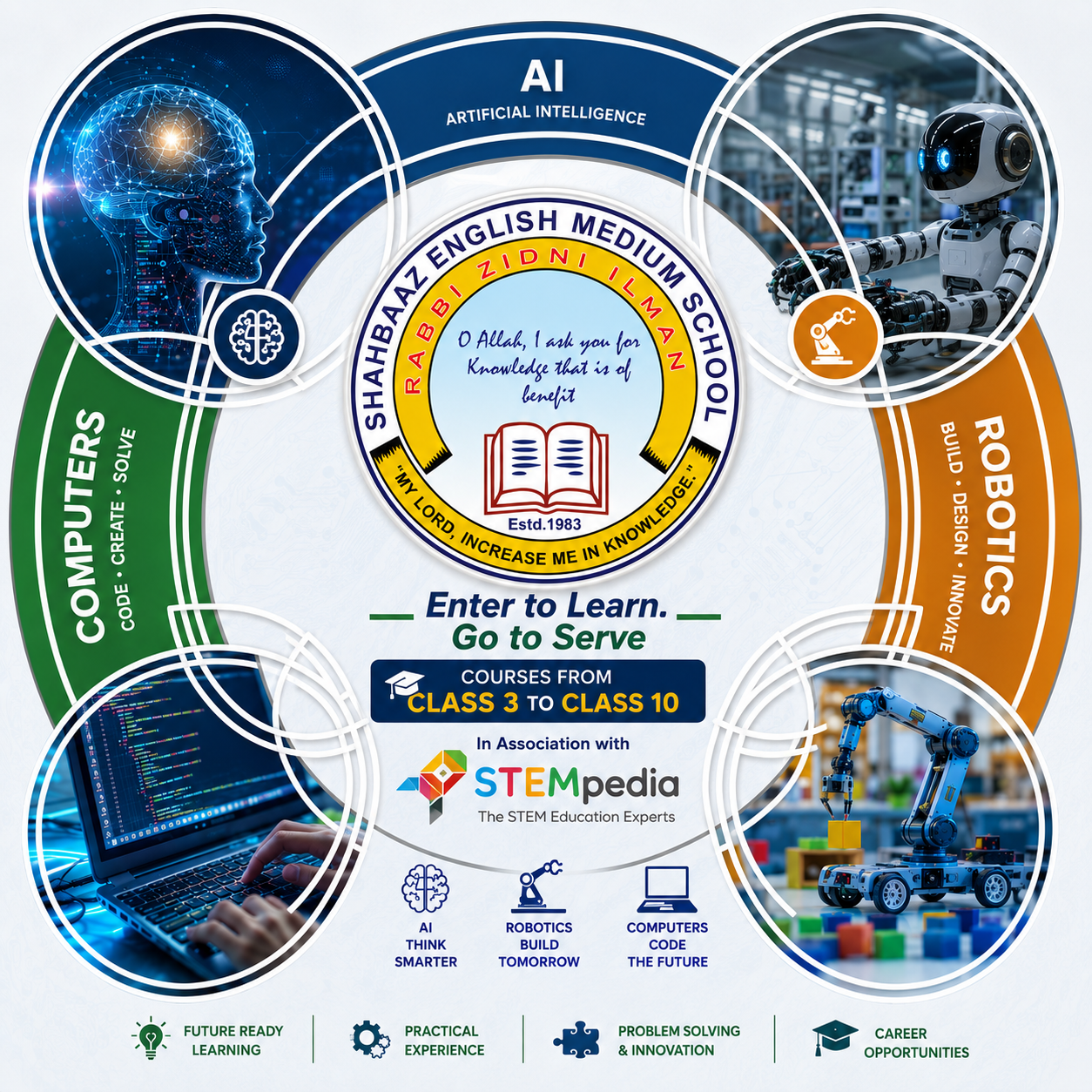
The newest addition to the Shahbaaz technical infrastructure is a dedicated Computer Science, Robotics, and Artificial Intelligence laboratory, currently under development to provide a purpose-built environment for hands-on technology education. In an exclusive collaboration with STEMpedia, a premier global STEM education provider, this facility will transition students from digital consumers to creators of autonomous systems and intelligent software. Serving students from Class 3 through Class 10, the laboratory serves as a practical extension of their theory classes, allowing them to prototype, code, and deploy real-world AI and robotics projects. This initiative ensures that Shahbaaz graduates are equipped with the high-demand technical competencies required for the rapidly evolving 21st-century global economy.

  • Strategic STEM Partnership: Developed and operated in direct collaboration with STEMpedia to provide world-class technical resources.

  • Broad Academic Reach: Integrated into the weekly schedule for students from Class 3 to Class 10 to supplement theoretical learning.

  • Integrated Tech Curriculum: A structured, age-appropriate Robotics and AI program aligned with international technological standards.

  • Specialized Infrastructure: A purpose-built facility featuring high-performance computing stations and dedicated zones for robotic assembly and testing.

  • Physical Computing & IoT: Access to advanced microcontrollers, sensors, and actuators for building interconnected smart systems.

  • AI & Machine Learning Modules: Dedicated resources for exploring computer vision, natural language processing, and neural network fundamentals.

  • Collaborative Design Hub: A modular workspace designed to foster teamwork, agile project management, and iterative engineering design.

  • Expert Instruction: Guidance from faculty trained in the latest STEMpedia methodologies and emerging technology trends.

  • Future-Ready Certification: Opportunities for students to earn industry-recognized credentials through project-based assessments and competitions.